


Restoring positive working relations and strengthening HR
Share this post
Challenge
Employee relations within this passenger transport organisation had been strained for some time. Recent collective bargaining negotiations had been particularly difficult, and a strike had only narrowly been avoided.
Bright & Company was asked to investigate the underlying causes of employee dissatisfaction and advise the executive team on what was needed to turn the situation around. The client was also looking for a partner who could provide intensive, long-term support, work closely alongside the executive team and help implement lasting improvements.
Approach
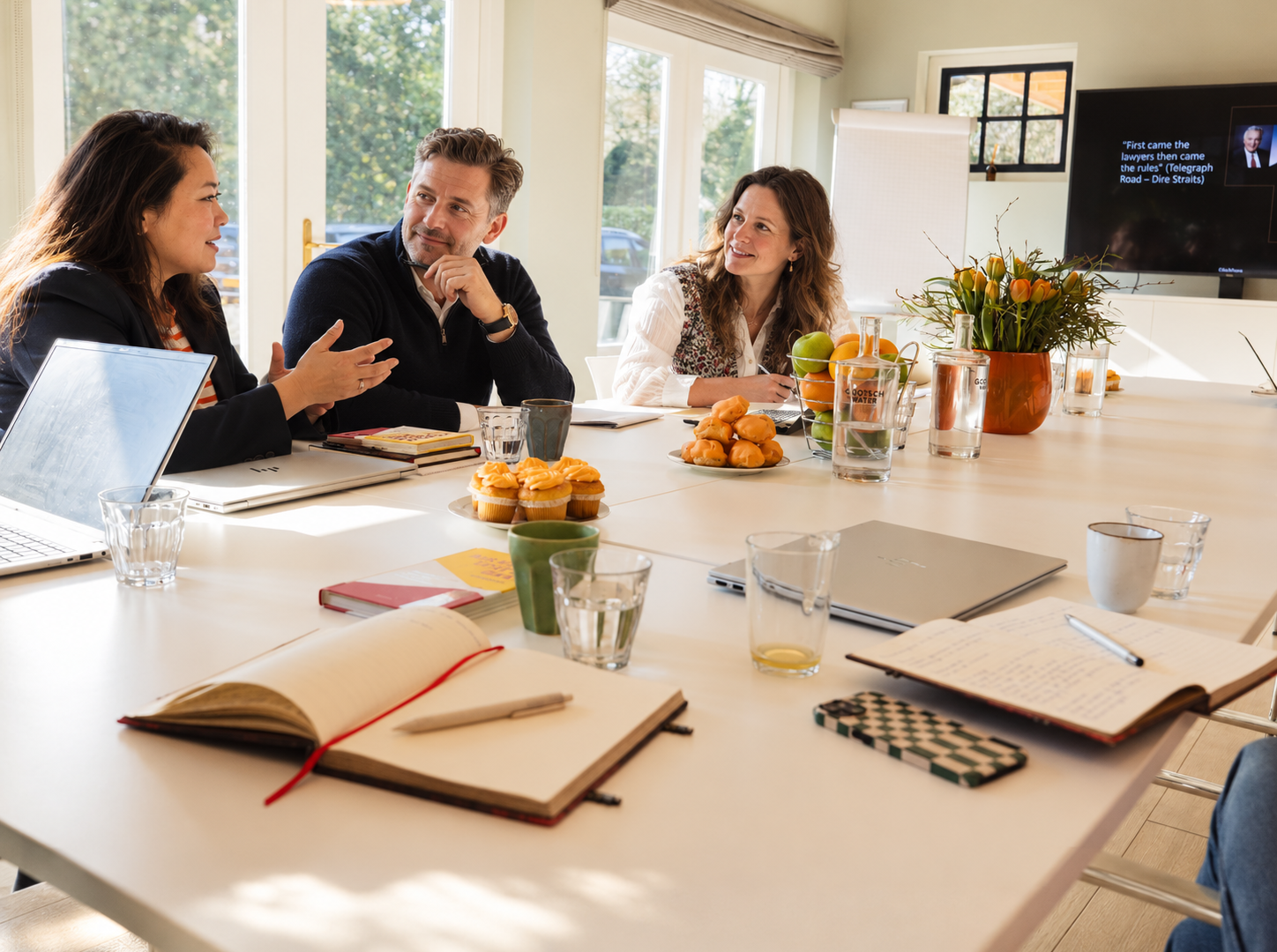
To gain a thorough understanding of the situation, we began by conducting in-depth interviews with a third of the employees. This group was representative of all departments and roles within the organisation. We then shared the key themes emerging from these conversations with each department, gathering further insights to build a fuller picture.
Following the principle that what gets measured can be understood, we conducted a survey to assess how employees viewed these key themes. This gave us a clear picture of the starting point and enabled us to track progress throughout the improvement process.
One of the key findings was that mutual trust was extremely low. This made it essential to deliver visible improvements in the short term. Together with the executive team, the works council and a group of key individuals, we developed an improvement plan with measures for the short and medium term.
Working with managers and those directly involved, we implemented the improvements systematically, one step at a time. We placed considerable emphasis on communicating the changes. We also consistently encouraged managers and employees to speak openly about areas that needed improvement. Gradually, confidence grew that meaningful change was genuinely possible.
We measured progress regularly through pulse surveys. The findings were discussed within individual departments. By closely tracking progress, we were able to make timely adjustments wherever needed.
Much of the dissatisfaction stemmed from a longstanding lack of attention to the organisation’s human capital. This affected both the formal aspects of HR, such as outdated job descriptions and HR policies, and the people-related aspects, including leadership, culture, collaboration, good employment practices and employees’ responsibilities. To ensure the improvements would be sustained over time, we professionalised the HR function.
Impact
Working relationships across the organisation have returned to a more positive footing, and mutual trust has improved significantly. Employees are more willing to speak up and feel listened to and valued. They experience greater job satisfaction, and the organisation has become more capable of managing change. It now also has a professional HR function that can effectively address current and future people and organisational challenges.
About the author

For a nationwide secondment and consultancy firm, we developed and implemented a new performance and development review cycle, career pathways and clearly defined HR processes, among other improvements.

A large national public sector organisation needed to realign its structure and governance with a new strategic direction. We worked to clarify responsibilities, enable more decisive decision-making and develop a coherent organisational plan.

By organising the HR function as a whole organisations can create an HR function that not only supports day-to-day operations but also makes a lasting contribution to organisational ambitions, job satisfaction and the development of human capital.

An advisory organisation reviewing its structure and staffing in response to rapid growth and ambitious strategic challenges, to ensure the organisation is well positioned to deliver on its future plans.