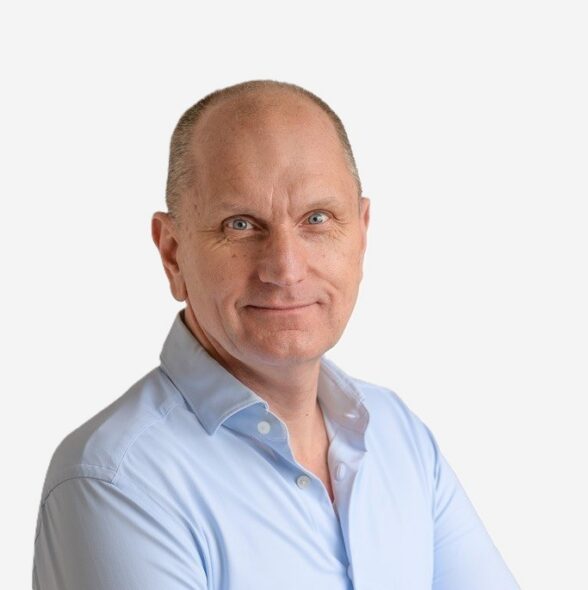
Richard Jongenotter
Partner
Guiding complex organisational change is what truly fascinates me. How do you ensure that people not only understand where an organisation wants to go, but are genuinely willing to move in that direction? What does this require of leadership? And how does change become visible in day-to-day work?
Organisational consulting is something I grew up with. My father was a consultant in the agricultural sector. I have now been working in organisational development for over 30 years, specialising in complex change processes. With my background in business administration and psychoanalysis, rational and relational approaches go hand in hand in both my thinking and my work. I also guide executive boards and management teams in developing their business strategies or strategic HR agendas. I do this in a way that helps people throughout the organisation feel genuinely committed to the direction being taken.
People describe me as warm, committed and someone who brings people together. I pay close attention to the dynamics between people, without losing sight of the desired results.
I find inspiration in travelling across the African continent, photography, art and spending time in nature.


"Go for what makes your heart sing!"
What do clients say about you?
Clients appreciate my constructively critical perspective and the calm I bring to the table. This calmness helps create an atmosphere in which people feel comfortable expressing what truly matters to them and what is holding them back. It allows us to move beyond the surface and create space to discuss what is really going on.
What are you proud of?
Together with my fellow partner Ruurd Baane, I have built Bright & Company into a strategic HR consultancy with a strong reputation in the market over the past twenty-plus years. That is something I am proud of. We are valued for our quality, fresh perspective and a touch of individuality, and have had the privilege of advising leading organisations for many years.
What is your vision for your field?
People cannot simply be motivated by what is objectively considered the ‘best, most logical or rational’ option. People often struggle with improvement initiatives and change. Over time, I have learned that human challenges require a different approach from technical problems. People are not technical problems to be solved; they need to feel seen, acknowledged and heard. This is precisely where there is still considerable room for improvement within organisations.
What characterises your approach when working with clients?
I am committed and approachable, set high standards for the quality of my work and go to great lengths to achieve good results. I immerse myself in the client’s organisation while maintaining my professional independence. I take a pragmatic approach and am not afraid to challenge perspectives.